 Skip to content

Roller Shades: Understanding the Factors That Influence Their Cost
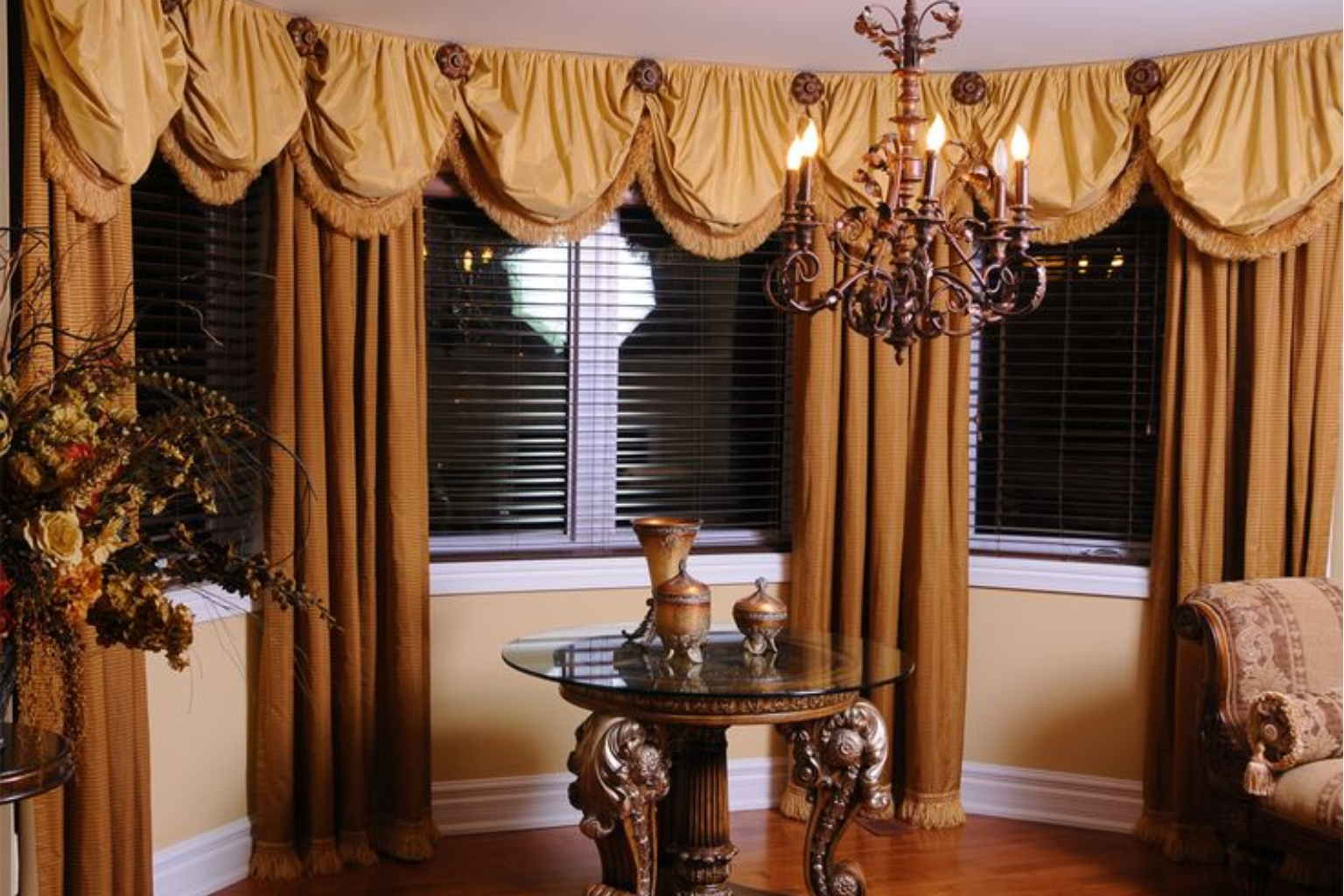
When considering new window treatments, roller shades offer a versatile and popular choice. Their clean lines and ease of use make them suitable for many home and office environments. However, the final price you pay for roller shades can vary significantly. Understanding the components that contribute to the overall cost will help you make informed decisions and budget effectively for your project. This guide breaks down the key factors influencing roller shade pricing.
Key points
- Material choice is a primary cost factor for roller shades.
- Window size and operational mechanism (manual vs. motorized) impact price.
- Customization options and upgraded hardware add to the overall expense.
- Professional installation and brand reputation can also influence the final cost.
Material Selection and Its Impact on Price
The fabric or material chosen for your roller shades is a primary driver of cost. Basic polyester or vinyl shades are generally the most budget-friendly options. These materials are durable and offer good light control. For a step up, you might consider natural woven materials, which can add texture and warmth but typically come at a higher price point. Performance fabrics, such as solar shades designed to block UV rays and reduce glare, often carry a premium due to their specialized properties. The opacity of the material also plays a role; blackout fabrics, engineered to block virtually all light, are usually more expensive than light-filtering or sheer options. The complexity of the weave and any special finishes, like antimicrobial or flame-retardant treatments, will also add to the material’s cost.
Size and Operational Features
The dimensions of your windows directly affect the amount of material required, thus influencing the price. Larger windows will naturally necessitate more fabric, increasing the overall cost. Beyond size, the method of operation is a significant factor. Manual shades, operated by a pull cord or a continuous loop, are generally the most economical. For enhanced convenience, motorized blinds and shades offer a sophisticated solution. The technology behind these automated systems, including the motors, power sources (battery or hardwired), and control options (remote, app, or smart home integration), adds to the expense. The quality and brand of the motorization system can also lead to price differences.
Customization and Additional Features
The ability to customize roller shades allows homeowners to tailor them to their specific aesthetic and functional needs, but customization often comes with an added cost. Options such as decorative bottom hems, special edge bindings, or cassette headrails that conceal the roller mechanism can increase the price. For instance, a sleek aluminum cassette might be more expensive than a standard fabric-wrapped one. While basic roller shades are straightforward, exploring variations like Roman shades or honeycomb blinds can introduce different construction methods and material requirements, potentially altering the price. Similarly, considering specialized types like Zebra shades or Venetian blinds for different light control or stylistic effects will involve different pricing structures.
Hardware, Installation, and Brand Reputation
The hardware components, such as the roller tubes, brackets, and control mechanisms, can vary in quality and material, affecting the final price. Higher-quality hardware is often more durable and provides smoother operation, but it comes at a premium. Professional installation is another cost to factor in. While some DIY enthusiasts may opt to install shades themselves, professional installation ensures they are fitted correctly and operate optimally, which can be particularly important for larger or motorized systems. Finally, the brand reputation of the manufacturer can influence pricing. Well-established brands known for quality and durability may command higher prices than lesser-known or budget-oriented manufacturers.
Common questions
What makes roller shades more expensive?
Roller shades can become more expensive due to the choice of premium materials, larger window sizes, the inclusion of motorized operation, advanced customization options, higher-quality hardware, professional installation, and the reputation of the brand.
Are motorized blinds and shades significantly more costly than manual ones?
Yes, motorized blinds and shades are generally more costly than their manual counterparts because of the added expense of the automation technology, including motors, power systems, and control interfaces.
Does the type of fabric affect the price of roller shades?
Absolutely, the fabric type significantly impacts the price. Basic polyesters are less expensive, while specialized materials like solar shades, blackout fabrics, or natural wovens typically cost more due to their performance or aesthetic qualities.
How do window size and customization options influence roller shade costs?
Larger window sizes require more material, increasing the base cost. Customization options, such as decorative hems, special headrails, or unique finishes, add to the price by requiring additional manufacturing processes or specialized components.
