 Skip to content

Understanding Roman Shades: Fabric, Function, and Customization
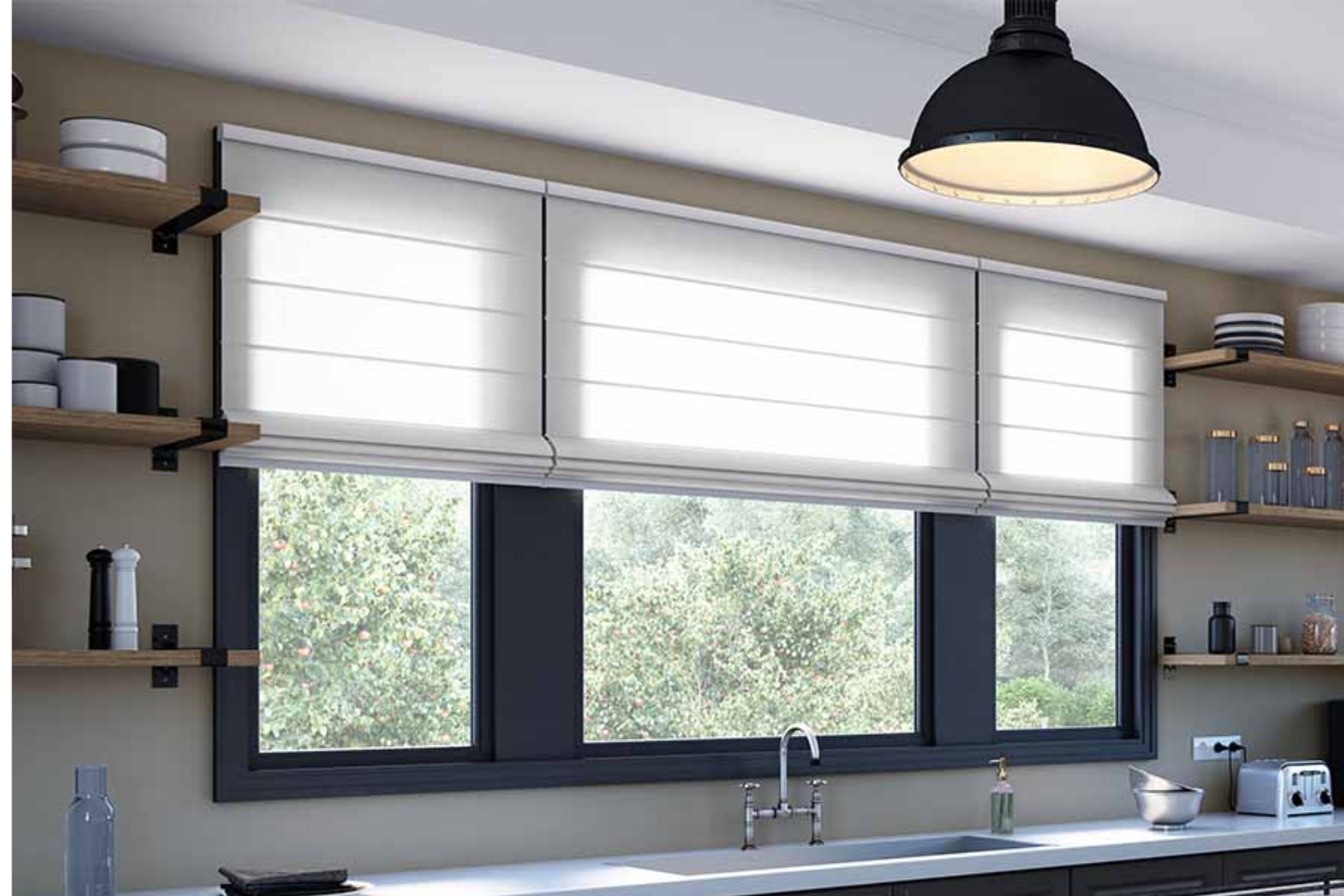
Roman shades offer a sophisticated and timeless window treatment solution. Unlike other shade types, they fold up neatly into pleats, creating a soft, fabric-draped appearance. This article delves into what makes Roman shades a popular choice for homeowners seeking both style and practical light control.
Key points
- Roman shades fold into distinct horizontal pleats when raised.
- Fabric choice greatly influences the look, light control, and insulation of Roman shades.
- Operation options range from traditional cords to modern continuous loops and motorized systems.
- Customization allows for tailored aesthetics in pleat style, fabric, and hardware.
- Variations exist, offering different looks and functionalities compared to classic Roman shades.
The Anatomy of a Roman Shade
At their core, Roman shades are crafted from a single piece of fabric designed to hang flat when lowered. The defining characteristic is their folding mechanism. As the shade is raised, the fabric gathers into horizontal, evenly spaced pleats. These pleats can be of various styles, including hobbled (waterfall) for a softer look with cascading folds, or flat for a more tailored, modern aesthetic. The structure behind these folds typically involves hidden cords or tapes running vertically through the fabric, or a baton system. These internal elements allow the shade to be raised and lowered smoothly, creating the signature pleats. The bottom of the shade often features a hem or a decorative band, adding to its finished appearance.
Fabric Choices and Light Control
The material used for Roman shades significantly impacts their look and function. You can find Roman shades made from a vast array of fabrics, from sheer linens that gently filter light to heavy velvets that offer significant insulation and privacy. Light-filtering options allow natural light to enter while obscuring the view from outside, creating a soft ambiance. Blackout fabrics are ideal for bedrooms or media rooms where complete darkness is desired. The chosen fabric also contributes to the overall style of the room, whether it’s a natural woven wood shade for a bohemian feel, a crisp cotton for a classic look, or a luxurious silk for an elegant touch. Many Roman shades also come with optional liners to enhance insulation, UV protection, or light control.
Operation and Customization Options
The way a Roman shade operates is a key consideration. Traditional cord-and-tassel systems are still available, but modern alternatives offer greater convenience and safety. Continuous loop systems, often made of metal or fabric, allow for easier lifting of heavier shades and are a popular choice. For ultimate ease, motorized blinds and shades are an option, allowing you to control your Roman shades with a remote or even integrate them into smart home systems. This is particularly useful for high or hard-to-reach windows. Beyond operation, customization extends to the pleat style, fabric choice, liner type, and hardware finishes, allowing for a truly bespoke window treatment that complements your interior design.
Beyond Traditional Roman Shades
While classic Roman shades offer a distinct folded appearance, variations exist to suit different needs. For instance, some designs might mimic the Roman shade look but utilize a roller mechanism for simpler operation. Similarly, woven wood shades, though often distinct in their material, can be constructed with Roman shade folding principles. For those seeking the clean lines of a flat shade without the traditional pleating, a flat Roman shade provides a streamlined aesthetic. Exploring these variations can help you find the perfect solution, whether your priority is a specific fabric, a particular operating system like motorized blinds and shades, or a unique visual effect. Other window treatments like roller shades, honeycomb blinds, and Venetian blinds offer different functionalities and aesthetics that may also be worth considering depending on your needs.
Common questions
What is a Roman shade?
A Roman shade is a type of window covering made from a single piece of fabric that folds up into neat horizontal pleats when raised, creating a draped fabric appearance.
What are the different types of Roman shade pleats?
The most common pleat styles for Roman shades are hobbled (or waterfall) pleats, which create a softer, cascading fold, and flat pleats, which offer a more tailored and modern look.
Can Roman shades be motorized?
Yes, Roman shades can be motorized, offering convenient control via remote or smart home integration, especially for difficult-to-reach windows.
What fabrics are available for Roman shades?
Roman shades are available in a wide variety of fabrics, including light-filtering linens, insulating velvets, and decorative silks, allowing for diverse aesthetic and functional choices.
