 Skip to content

Roman Shades: Factors Influencing Price and Value
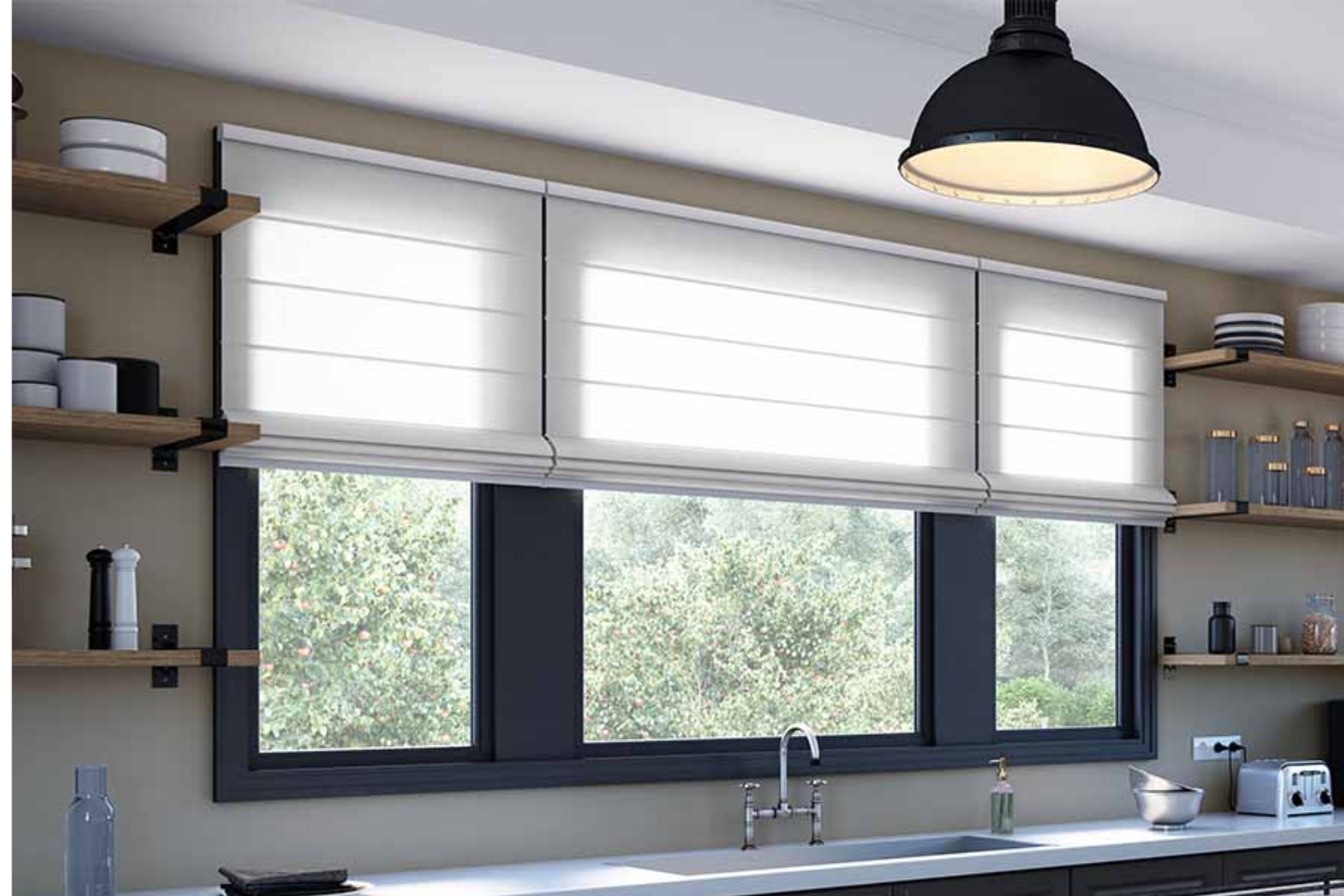
Roman shades offer a sophisticated and timeless look for any home. Unlike other window treatments, they fold up neatly into pleats, creating a clean, tailored appearance. When considering Roman shades for your space, understanding the factors that contribute to their overall cost is essential for making an informed decision. The price can vary significantly based on several key elements, from the materials used to the specific functionalities you choose.
Key points
- Fabric selection significantly influences the price of Roman shades.
- Motorized operating systems add to the overall cost but offer convenience.
- Custom sizing and decorative additions increase the final price.
- Lining choices, such as blackout or light-filtering, affect both cost and functionality.
- Consider the long-term durability and value, not just the initial price.
Fabric Choice and Its Impact on Cost
The fabric selected for your Roman shades is a primary driver of cost. High-end materials like silk, linen, or premium performance fabrics will naturally command a higher price than standard cotton blends or polyester. The weight and durability of the fabric also play a role; heavier, more robust materials often require more complex construction and may cost more. Additionally, the presence of specific patterns, intricate weaves, or unique textures can influence the material’s price. Some fabrics may also require special linings for light control or insulation, adding to the overall expense.
Construction and Operating Mechanisms
The way a Roman shade is constructed significantly affects its price. Traditional designs might be simpler, but more intricate folding styles, such as hobbled or European folds, can increase manufacturing costs. The quality of the internal components, including the lift system, cords, and headrail, also impacts the price. Basic manual systems are generally more affordable than sophisticated motorized options. Motorized blinds and shades, for instance, offer convenience and advanced control but come with a higher initial investment due to the integrated motor and remote technology. The precision required for these automated systems adds to their cost.
Sizing and Customization Options
Window size is a critical factor; larger windows require more fabric and potentially more robust hardware, leading to a higher price. Custom sizing beyond standard dimensions often incurs additional charges. Beyond the basic shade, customization options can further influence the cost. This includes choices for the type of lining (blackout, light-filtering, thermal), decorative trims, tapes, or borders, and different hardware finishes for the pull cords or headrail. The more bespoke elements you add, the more the final price will reflect that personalization.
Specialty Features and Enhancements
Certain features can elevate the functionality and price of Roman shades. For example, adding a blackout lining to ensure complete darkness in a bedroom will increase the cost compared to a standard light-filtering liner. Shades designed for specific environments, like moisture-resistant options for bathrooms or kitchens, may use specialized materials that are more expensive. If you are looking at other types of window coverings, such as Roller Shades, Zebra Shades, or Solar Shades, similar factors related to material, operation, and customization will influence their respective costs.
Understanding the Value Proposition
While the initial cost of Roman shades can vary, it’s important to consider the long-term value they provide. High-quality materials and construction mean greater durability and longevity, reducing the need for premature replacement. The aesthetic appeal and the enhanced comfort and light control they offer contribute to the overall value of your home. When comparing prices, consider the craftsmanship, the warranty offered, and the overall performance of the window treatment, rather than just the sticker price. This holistic view helps ensure you’re investing in a solution that meets your needs and budget effectively.
Common questions
What is the biggest factor affecting Roman shade costs?
The fabric choice is often the biggest factor affecting Roman shade costs, with premium materials like silk or linen being more expensive than standard options. However, the complexity of the construction and the addition of motorized features can also significantly increase the price.
Are motorized Roman shades more expensive?
Yes, motorized Roman shades are generally more expensive than their manual counterparts. This is due to the added cost of the motor, battery or wiring, and remote control system, which provides enhanced convenience and automation.
Does the size of the window affect the price of Roman shades?
Yes, the size of the window directly affects the price. Larger windows require more fabric and potentially stronger hardware to support the shade, leading to a higher overall cost.
Can I customize my Roman shades, and how does that impact the price?
You can customize Roman shades with various options, such as different linings, decorative trims, and hardware finishes. Each customization adds to the base cost, allowing you to tailor the shade to your specific aesthetic and functional needs.
Are there hidden costs associated with Roman shades?
Potential hidden costs can include installation fees if not doing it yourself, the price of specific linings for light control or insulation, and any custom hardware or decorative additions. It’s important to get a comprehensive quote that includes all desired features and services.
