 Skip to content

Motorized Blinds and Shades: Understanding the Cost Factors
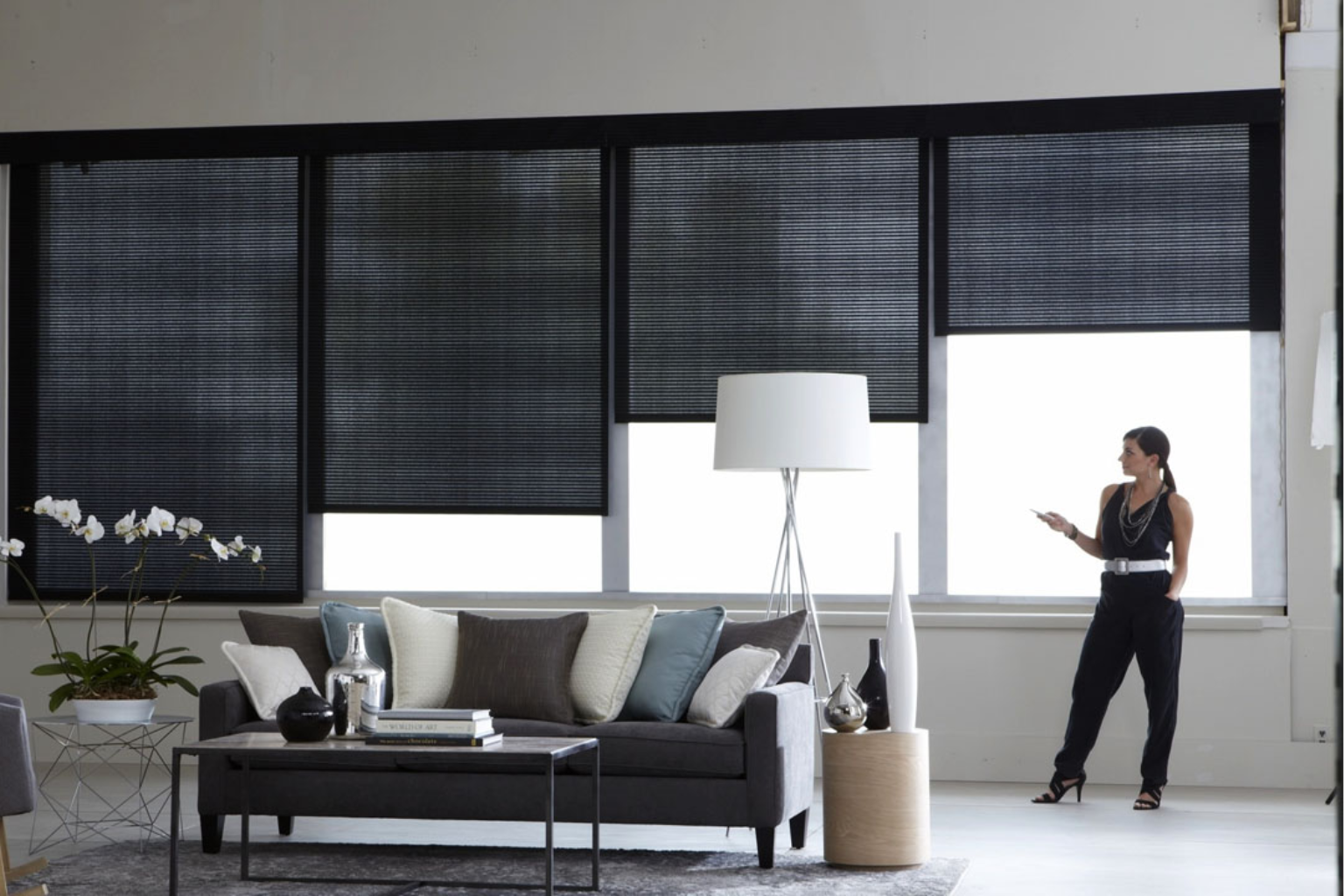
Motorized blinds and shades offer convenience and a modern touch to any space. They automate light control and enhance privacy with the simple press of a button or a voice command. However, the total cost can vary significantly, making it important to understand what drives the price.
Key points
- The type of blind or shade (e.g., roller, Roman, honeycomb) significantly impacts cost.
- Larger window sizes and custom dimensions increase the overall price.
- Advanced motorization technology and smart home integration add to the expense.
- Fabric quality, material, and special features (like UV protection or blackout) influence pricing.
- Professional installation costs vary based on complexity and the number of units.
The Impact of Blind and Shade Type on Cost
The fundamental style of window covering you choose plays a major role in its price. Simpler designs like basic motorized roller shades generally come at a lower cost. More complex constructions, such as motorized Roman shades with their intricate fabric folds, or cellular and honeycomb blinds, which require more precise engineering for their insulating properties, will typically be more expensive. Woven wood shades, often made from natural materials, can also represent a higher investment due to the unique sourcing and crafting involved. Even within categories like roller shades, variations such as zebra shades, which combine sheer and opaque bands for dynamic light control, or solar shades, designed for UV protection, may carry different price points based on their specialized fabrics and mechanisms.
Size and Complexity of Window Treatments
Larger windows naturally require more material and a more robust motor system to operate effectively, thus increasing the overall cost. Custom-sized window treatments, designed to fit non-standard window dimensions, also add to the expense compared to standard sizes. The number of windows being fitted with motorized blinds and shades is another key factor; purchasing in bulk can sometimes lead to a reduced per-unit cost, though the total investment will naturally be higher for more extensive projects. Complex window shapes, such as arches or bay windows, may necessitate specialized mounting solutions or custom-shaped shades, further impacting the final price.
Motorization Technology and Features
The sophistication of the motorization system itself is a significant cost driver. Basic motorized systems might operate via a simple remote control. More advanced options include integration with smart home systems (like Alexa, Google Assistant, or Apple HomeKit), allowing for voice control and scheduling through apps. Features such as obstacle detection, quiet operation motors, and rechargeable battery-powered options instead of hardwired systems can also influence the price. The quality and brand of the motor and its associated electronics will also affect the long-term reliability and initial investment. Consider how you intend to control your blinds and shades when evaluating these technological options.
Fabric Choices and Additional Options
The material used for your blinds and shades directly impacts their cost. High-performance fabrics, such as those offering significant UV protection in solar shades, blackout capabilities for complete light blocking, or specific aesthetic textures and patterns, are often priced higher than standard options. The thickness and quality of the fabric, as well as any special treatments like fire retardancy or antimicrobial properties, can also add to the expense. Venetian blinds, for instance, can be made from various materials like aluminum, vinyl, or wood, each with its own cost implications.
Installation and Professional Services
While some DIY enthusiasts may opt for self-installation, many homeowners and businesses choose professional installation for motorized blinds and shades. This ensures proper mounting, wiring (if applicable), and calibration of the motorized system. The complexity of the installation, the number of units, and the specific requirements of your property (e.g., high ceilings, difficult-to-access windows) will determine the labor costs. Professional installers bring expertise that can prevent issues and ensure the longevity of your investment. Understanding whether installation is included in a quote or is an additional charge is crucial for accurate budgeting.
Common questions
What is the average cost of motorized blinds and shades?
The cost of motorized blinds and shades can range widely, typically from a few hundred dollars for a single, basic unit to several thousand dollars for complex, large-scale installations with premium features and materials. The final price depends heavily on the factors discussed, including the type of shade, size, motor technology, fabric, and installation.
Are motorized roller shades more expensive than manual ones?
Yes, motorized roller shades are generally more expensive than their manual counterparts due to the added cost of the motor, battery or wiring system, and remote control or smart home integration technology.
Does the fabric choice affect the price of motorized blinds?
Absolutely. The fabric is a significant cost factor. Specialized fabrics like those for solar shades offering UV protection, blackout fabrics for complete darkness, or premium decorative textiles will increase the overall price compared to standard light-filtering materials.
Is professional installation necessary for motorized blinds?
Professional installation is often recommended for motorized blinds and shades to ensure they are mounted correctly, the motor is properly connected and calibrated, and the system functions reliably. While not always strictly necessary, it can prevent potential issues and is often factored into the overall project cost.
